APEC 2026 · Shenzhen | Supplier Notes
Notes from a glass candle-jar supplier in Shenzhen
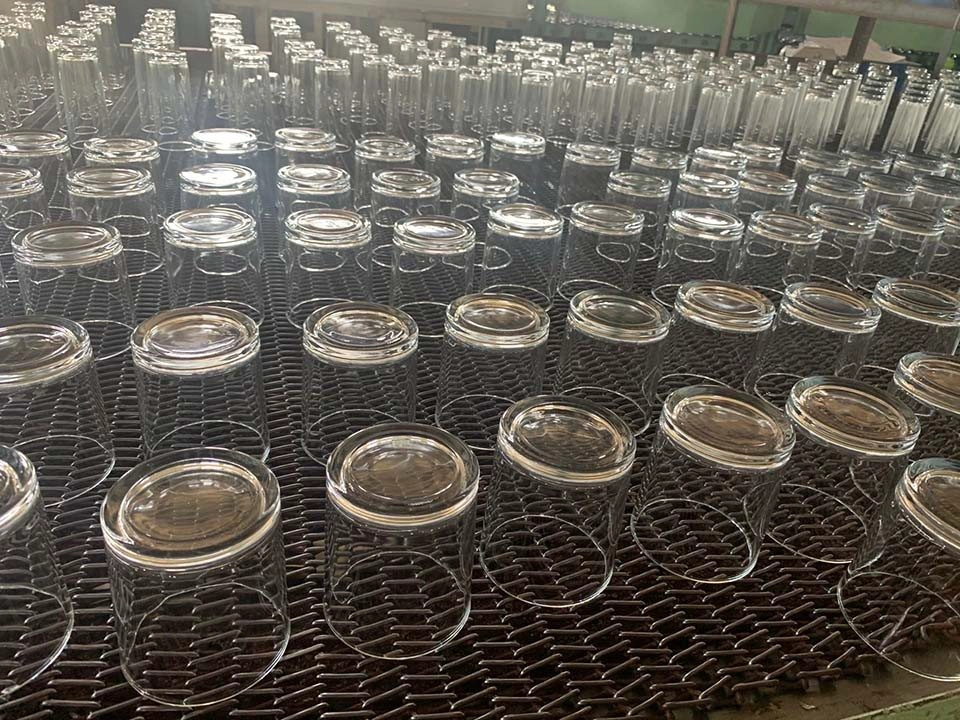
CANDLE VESSELS OUT OF THE ANNEALING LEHR
A candle jar is judged before the wax ever goes in.
Wall thickness. A level rim. Clean screen print. The sound the lid makes when it seats.
Buyers for fragrance brands usually decide in under thirty seconds whether the conversation continues.
We make glass candle vessels, perfume bottles and drinkware for fragrance brands in more than 30 countries.
In this business, what keeps us up at night isn’t competition. It’s uncertainty.
APEC’s 33rd Economic Leaders’ Meeting was held in Shenzhen on November 18 and 19. My feed was full of photos from conference halls. I was watching something else.
01 Why Shenzhen
When China took the APEC chair last year, President Xi described Shenzhen as a city that went from a fishing village to a modern metropolis in a few decades — “an important window” onto China’s opening-up. The numbers back the metaphor: RMB 4.5 trillion in imports and exports in 2024, up 16.4% year on year, per Shenzhen Customs. The Greater Bay Area generates roughly one-ninth of China’s GDP on less than 0.6% of its land.
This year’s APEC priorities are openness, innovation and cooperation — which is also the short version of how Shenzhen grew up.
Holding the meeting in a city built by open trade is a statement in itself.
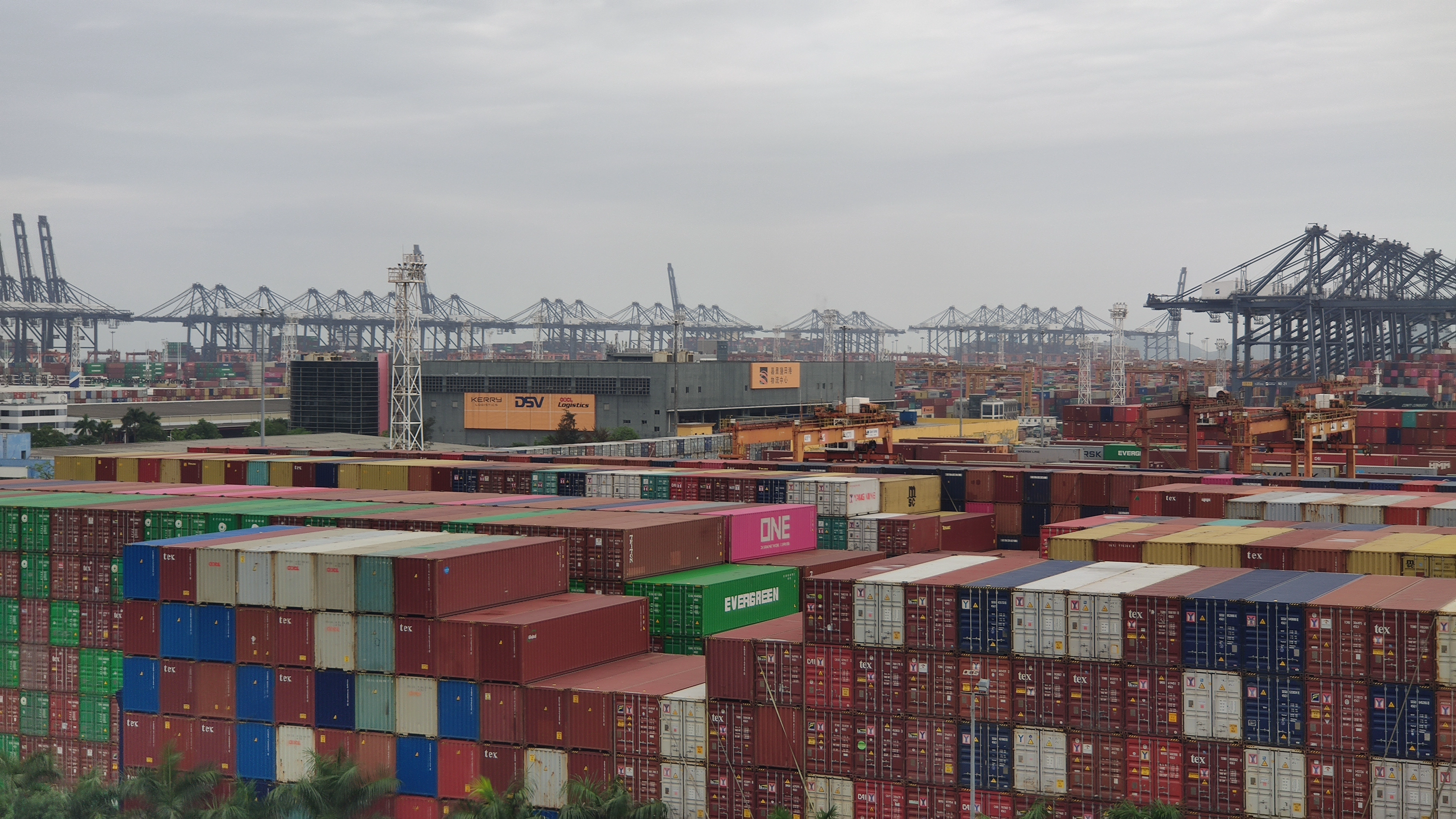
Yantian Port — containers and ocean lanes
02 What it means for trade
APEC’s 21 economies: about 3 billion people, more than 60% of global GDP, close to half of world trade. They grew 3.06% in 2025, against a global 2.92%. In a protectionist year, that gap is the argument.
China contributes over 60% of Asia-Pacific growth, and its trade with other APEC economies rose 23.9% in the first three quarters of 2026.
This is also 20 years since APEC leaders first raised the Free Trade Area of the Asia-Pacific: Hanoi in 2006, the Beijing roadmap in 2014, and a Chinese proposal this year for a new FTAAP outcome document.
Twenty years, one direction, moved forward an inch at a time.
On our quotation sheet, all of it becomes four lines: tariffs, rules of origin, clearance time, paperwork.
03 What was actually delivered
MAY · SUZHOU
The Suzhou Statement — the year’s first ministerial outcome document.
DIGITAL & AI
The Chengdu Statement, plus 25 cooperation outcomes on trade digitalisation, AI and cross-border e-commerce — about half of the year’s trade and economic deliverables.
JULY · QIANHAI
China announced a centre to promote cross-border data flows for APEC.
18 NOVEMBER · CEO SUMMIT
The Shenzhen Initiative — the summit’s first outcome issued as an initiative in its 30-year history, built on openness, innovation-driven growth, connectivity and win-win cooperation.
BAY AREAS
China backed a World Bay Area Economic Cooperation Alliance.
LEADERS’ MEETING
Ahead of the meeting, the foreign ministry said parties expected a Shenzhen Leaders’ Declaration covering trade, connectivity, the digital economy and AI.
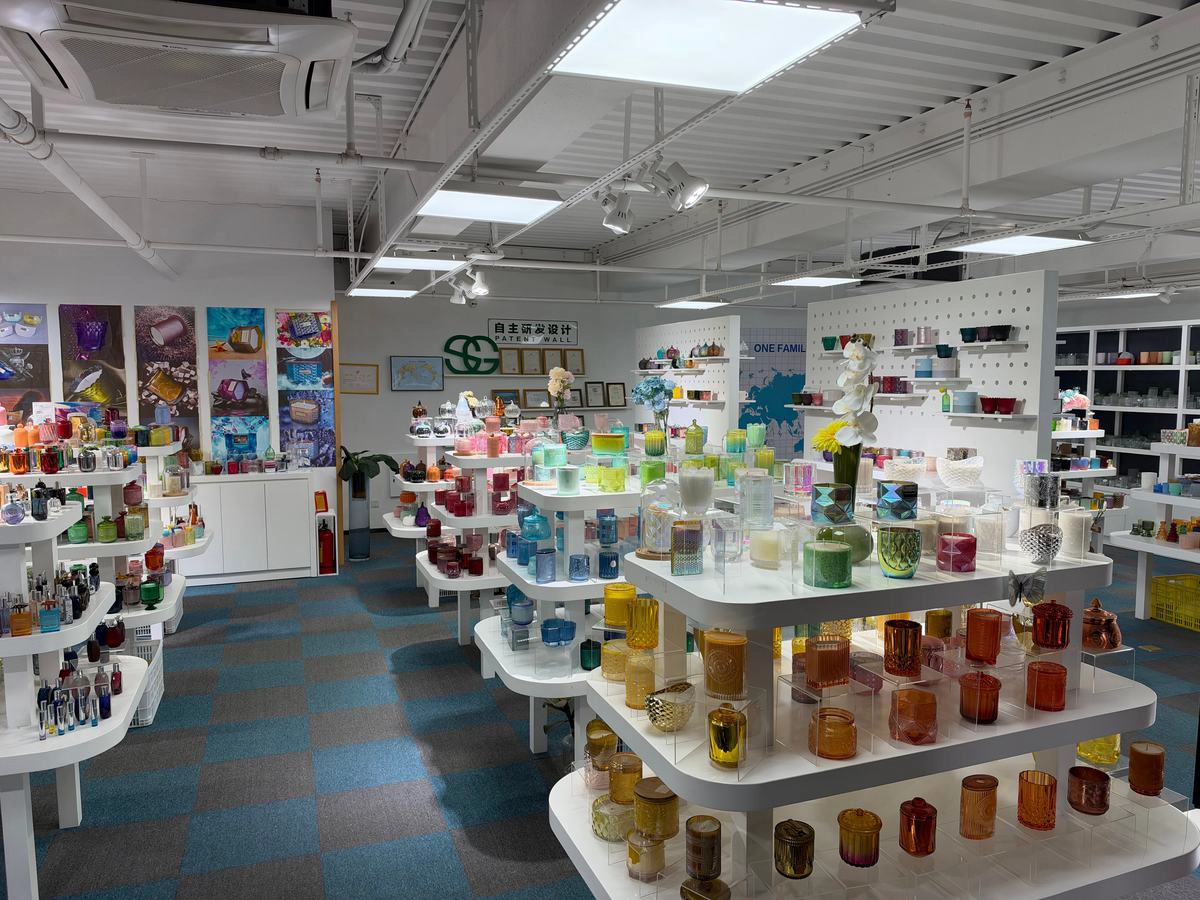
sAMPLE ROOM — jar, lid, perfume bottle
04 What it changes on our floor
A day saved at customs is a day of capital.
Candle vessels ship heavy and bulky. Every extra week at sea is a week our cash sits in a container.
Clear origin rules mean fewer explanations.
One certificate of origin should replace five emails when our glass is re-exported within Asia-Pacific.
Green is the new spec sheet.
Kiln energy, cullet ratio, product carbon footprint — fragrance brands put sustainability in their brand story, so they audit ours.
Seasonal launches run on small drops.
October to December is a wall of deadlines. Electronic bills of lading and online certificates are what make low-volume, high-mix orders viable.
Tolerance is the product.
Cap fit, pump fit, annealing stress, food-contact compliance — none of it shows in a photo, all of it decides whether a repeat order happens.
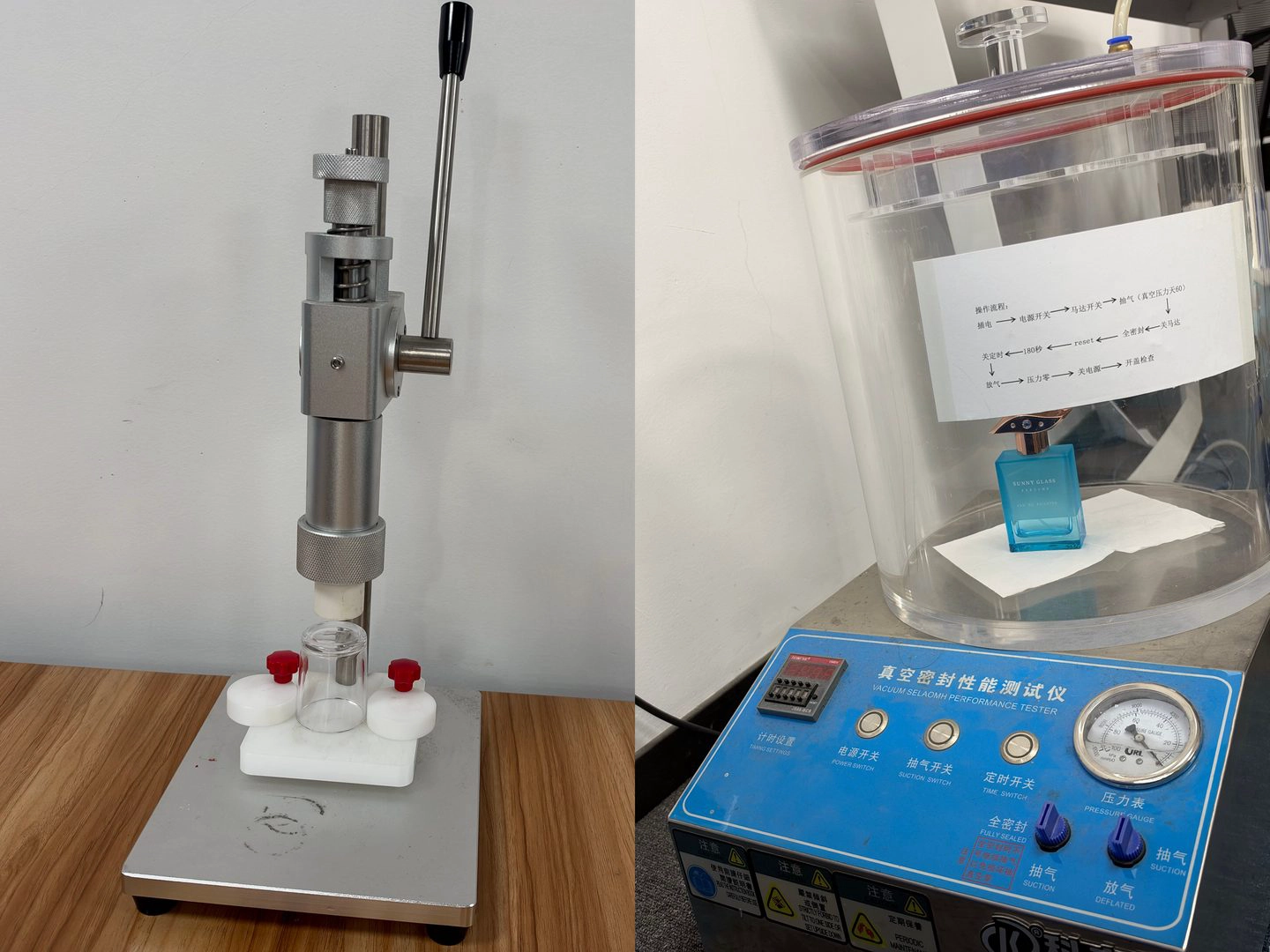
Inspection bench — calipers, seal test, tolerance log
APEC doesn’t talk about candle jars.
It decides how they cross borders.
I don’t expect a declaration to bring orders.
I do know this: business grows where the rules are clear.
If you source glass for fragrance brands — what slows you down more this year: tariffs, freight, or clearance?
See you in Shenzhen.
Glass candle vessels · Perfume bottles · Drinkware
#APEC2026 #Shenzhen #GlassPackaging #Fragrance #TradeFacilitation
Figures cited from China’s Ministry of Foreign Affairs, Xinhua News Agency and Shenzhen Customs; collected 19 November 2026.


