On June 3, 2026, the U.S. Trade Representative (USTR) released its Section 301 Investigation Findings and Proposed Measures on Countries/Economies That Have Failed to Implement and Effectively Enforce the Prohibition on Imports of Forced Labor Products. The announcement proposes an additional 10% Section 301 tariff on 14 countries/economies, and a 12.5% tariff on 46 others—including Mainland China, Hong Kong, and Vietnam—citing their "failure to implement and effectively enforce import bans on forced labor products."
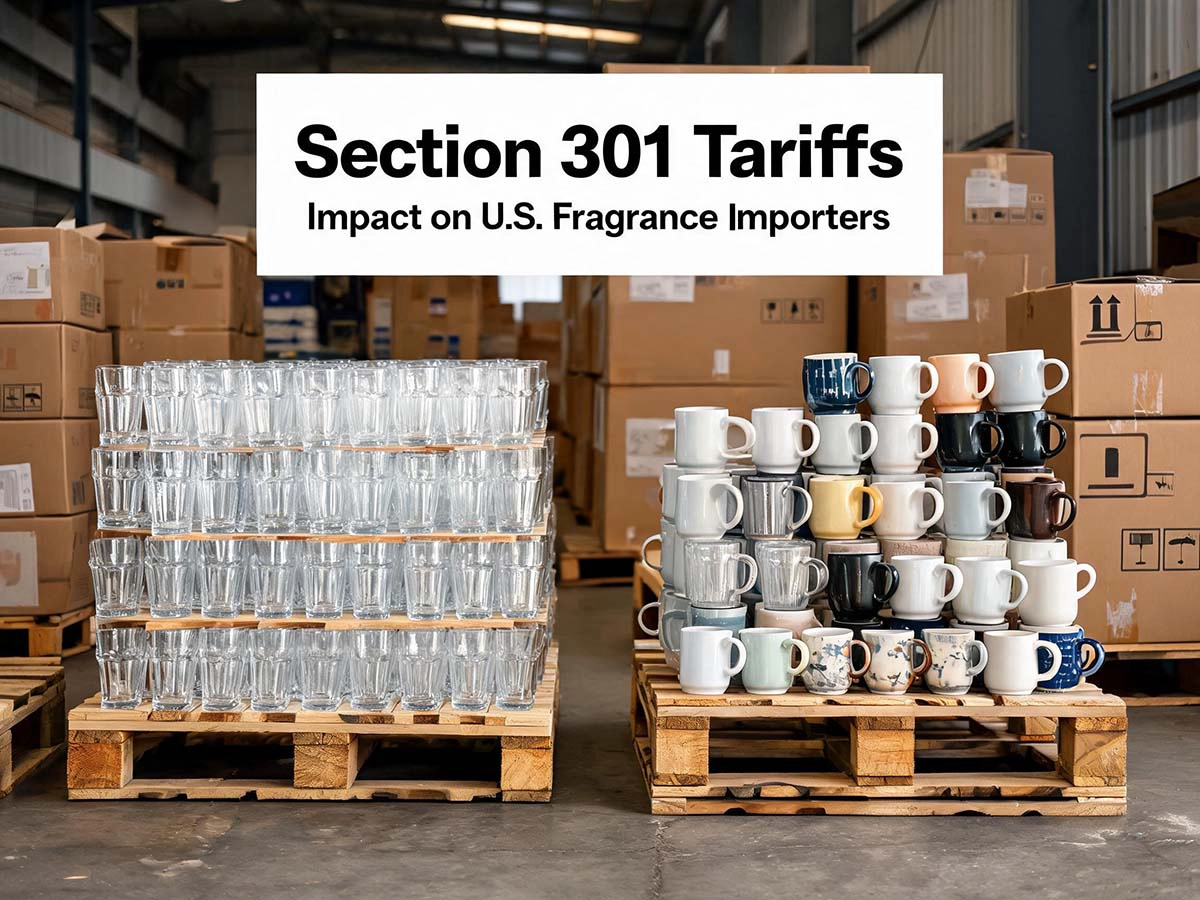
This marks a broad-based Section 301 tariff action against 60 global economies under the "forced labor import ban" rationale. The measures could take effect as early as July 2026.
I. Which Product Categories Are Affected?
The proposed exclusions are mainly limited to:
- Select agricultural goods (beef, coffee, spices, fruit, etc.)
- Pharmaceuticals, vaccines, vitamins, and other medical products
- Basic industrial raw materials (chemicals, polymers, rubber, wood, etc.)
- Aircraft and parts, certain electronic components, optical instruments
- Precious metals (gold, silver), fertilizers, minerals, paper, textiles, etc.
- Products covered under Section 232 (steel, aluminum, copper and derivatives, automobiles and parts)
- Goods compliant with the USMCA rules of origin
Critical note:
Glassware and ceramic products are not only included in the across‑the‑board tariff hike, but were also explicitly flagged as priority categories in prior Section 301 investigations—making them particularly vulnerable.
II. Impact on U.S. Aromatherapy Brand Buyers
Aromatherapy brands typically source a mix of essential oils, scented candles, diffusers, glass/ceramic containers, etc. The new tariffs will create multiple compounding effects:
1. Overall product cost surge
Supply chains often involve multiple targeted economies (China is a major producer of aromatherapy goods). For Chinese‑origin products, baseline duties plus the 12.5% Section 301 tariff and the 10% Section 122 tariff could push combined rates to 22%–42%.
2. Higher packaging and container costs
Glass jars for candles, ceramic containers, and ceramic/glass parts for diffusers are all subject to the new tariffs, directly raising procurement expenses for packaging materials.
3. Margins squeezed, pricing pressure intensifies
With rising costs, brands need to proactively manage consumer expectations for price adjustments, while enhancing service and brand differentiation to stay competitive.
III. Recommended Response Strategies
Timeline reminder: The tariffs are not yet final—the process is still in the public comment and review stage, with implementation possible as early as July 2026. Key dates:
- June 22: Deadline to submit hearing requests and testimony summaries
- July 6: Deadline for written objections
- July 7 onward: USTR public hearings
Suggested actions for brands:
1. Engage actively in the public comment process
Submit written comments via USTR's official channels before July 6, clearly articulating the adverse impact on SMEs and consumers, and request policy adjustments or product exclusions.
2. Review supply chains and HTS codes
Identify the 10‑digit HTS codes for all imported products and assess tariff exposure line by line; map all supply chain links involving targeted economies and quantify cost increments.
3. Lock in annual framework orders at ex‑factory prices
Negotiate long‑term annual agreements with suppliers to secure fixed factory prices, preventing tariff spikes from flowing into procurement costs and stabilizing full‑year budgets.
4. Seek professional tariff consultancy
Consider hiring specialized trade compliance advisors to conduct tariff risk assessments (e.g., duty impact analysis, classification audits, drawback applications), and stay tuned to USTR updates.
Sunny Glassware with over 30 years of industry expertise, will continue to monitor tariff policy developments, offer advisory support, and help our clients navigate these challenges with confidence.